
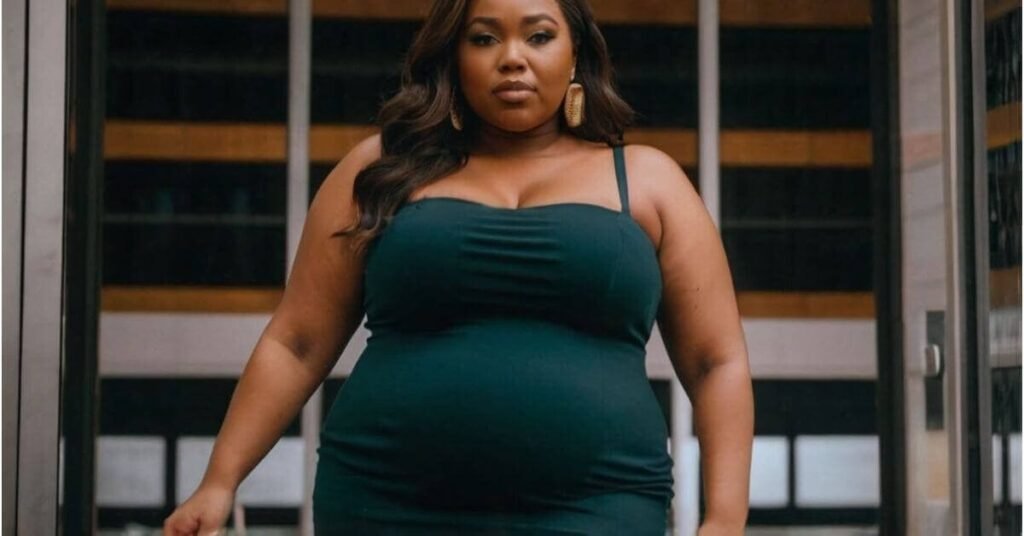
If you want to know how to hide belly fat in a tight dress, start with fit, fabric, and the way the dress moves when you sit and walk. A dress that skims instead of digging in can look smooth while still feeling like you. Ruching, a wrap front, a comfortable lining, or an open layer can also change the overall look.
These are styling options, not rules about what you should wear. You do not need shapewear or a particular body shape to wear a bodycon dress. Choose the ideas that make you feel comfortable and confident.
Table of Contents
1. Start With Fit First
A tight dress should feel close to the body without pulling hard at the waist, riding up, or restricting your movement. Try your usual size and one nearby size, then sit, walk, reach, and take a few steps. Check the front and side in a mirror and notice whether the fabric stays smooth or keeps shifting.
A size label is only a starting point. Different brands, cuts, and fabrics fit differently. If a seam strains or the fabric turns sheer when stretched, try another size or style rather than expecting shapewear to fix the fit. Cornell’s clothing glossary describes wearing ease as the extra room needed to move and breathe comfortably; New Mexico State University Extension’s fitting guide also describes good fit as avoiding binding, pulling, sagging, and straining.
2. Choose a Silhouette You Enjoy
You can wear a bodycon dress with a tummy. If you want a little more room through the middle, try an A-line or fit-and-flare shape, a wrap or faux-wrap front, or a dress with a gently raised waist seam. These cuts create different proportions; none is automatically the most flattering for everyone.
When looking for a bodycon dress that hides stomach lines under fabric, focus on the construction: a double layer, a lined front, or side ruching may feel smoother than a single thin layer. Try the dress in your regular size and check how it looks in motion. A small amount of stretch can help with movement, but too much tension can make fabric cling or pull.
3. Use the Flow Factor: Drape Without Extra Bulk
The flow factor is the way fabric falls over your shape. A soft, fluid fabric can skim the body rather than sticking closely to every curve. Look for a medium-weight jersey, ponte knit, or crepe that feels opaque and comfortable to you. Fabric names are not guarantees: check the actual weight, stretch, lining, and how the dress behaves when you move.
Flow does not mean hiding in an oversized dress. If you like definition, keep the shoulders or neckline fitted and let the fabric release gently below the bust or waist. If you prefer a closer silhouette, a stable stretch knit with ruching can offer movement without requiring a loose fit.
4. Look for Useful Dress Details
Small construction details can make a dress easier to wear:
- Side ruching or gathers: They add texture and let the fabric fall in folds. Try different placements; gathers that feel comfortable to one person may feel distracting to another.
- Wrap or faux-wrap fronts: The diagonal overlap creates visual movement and can make the waist adjustable.
- Seaming or paneling: Vertical or angled seams can give the dress shape without relying on compression.
- A lining: A smooth lining can reduce transparency and help the outer layer glide. Check that it does not bunch or feel hot.
Before buying, look at the dress from the side and back as well as the front. If you already own a dress you love but the waist or hem is uncomfortable, a tailor may be able to make a small adjustment.
5. Play With Color, Prints, and Lines
Black is one option, but it is not a requirement. A solid color, a small print, color blocking, or a print with movement can all work. Choose the colors and patterns you like; comfort in the outfit matters more than following a rule that says a certain color will make every body look smaller.
If you enjoy visual styling, notice where seams, stripes, or print placement lead the eye. Vertical and diagonal details can add direction, while a contrasting waistband creates a horizontal break. These are design effects, not body-correction tricks. Utah State University Extension explains how line, shape, texture, and color are used in clothing design; use those ideas as a starting point and trust your own mirror test.
6. Add a Layer or Accessory
An open blazer, cropped jacket, or lightweight cardigan can frame a fitted dress and add another line to the outfit. Try a few lengths: a jacket that ends at the waist gives a different look from one that reaches the hip. Keep the layer comfortable when you move your arms, and choose one that does not bunch at the back.
Accessories can finish the outfit without needing to distract from your body. Try earrings, a necklace, a belt, or a bag if you like how it looks. A belt should sit where it feels comfortable; loosen or skip it if it digs in or makes you adjust the dress all night.
7. Choose a Comfortable Base Layer
Shapewear is optional. If you choose to wear it, select a size that lets you breathe, sit, and move comfortably. It should not roll, pinch, or create a line that bothers you. A smooth, well-fitting brief, slip, or seamless underwear may be all you want under a dress; check the dress in natural light so you can see whether the color or seams show through.
If the dress has a lining, check how it sits when you walk and sit down. A lining that twists or rides up can be more distracting than the fabric it covers. Comfort is the useful test for both underwear and shapewear.
8. Try These Tight-Dress Outfit Ideas
Use these combinations as starting points and adjust them for the weather, occasion, and your own style:
- Dinner out: A ruched midi dress, a light open blazer, and simple heels or ankle boots.
- Casual day: A fitted knit dress with a denim jacket and sneakers or flat sandals.
- Event-ready: A lined wrap or faux-wrap dress with earrings and a small clutch.
- Minimal look: A solid-color dress with one accessory you love and comfortable shoes.
For more everyday outfit formulas beyond fitted dresses, see our guide to comfortable outfit ideas for dressing if you have a belly.
9. Avoid Common Fit Mistakes
- Buying a smaller size to “hold everything in”: Extra tension can cause pulling and discomfort. Compare how the dress fits, not only the number on the label.
- Choosing fabric from the hanger alone: Stretch, lining, and opacity are easier to judge once you try the dress on and move around.
- Assuming every bodycon dress is off limits: Look for a cut and construction you enjoy, including ruching or a wrap detail.
- Relying only on dark colors: Wear the colors you like; fit and fabric matter too.
- Skipping the sit test: Check the waist, hem, and lining while seated before deciding an outfit is comfortable.
FAQs
What type of tight dress is most comfortable over the stomach?
It depends on your preferences and the dress’s construction. Try a lined knit, a wrap front, side ruching, or an A-line shape, then check the fit while sitting and walking.
Can I wear a bodycon dress without shapewear?
Yes. Shapewear is a personal choice, not a requirement. You can wear the dress on its own or choose comfortable everyday underwear or a slip.
Does a flowy fabric have to mean a loose dress?
No. A dress can fit closely at the shoulders or bust and have a softer drape through the waist. Look for movement in the fabric rather than a much larger size.
What should I wear under a tight dress?
Choose underwear or a slip that feels comfortable and does not show through in the lighting where you will wear the dress. Try the complete outfit before the event.
Final Take
If you want to hide belly fat in a tight dress, begin with a fit that lets you breathe and move, then try details such as drape, ruching, a lining, a wrap front, or an open layer. The best choice is the dress you feel good wearing. None of these tips is a rule, and you do not have to change your body to enjoy a fitted outfit.


Pingback: How to Make Your Stomach Look Flat in Clothes: 10 Tips
Pingback: How to Hide Hip Dips in a Bodycon Dress: 7 Styling Tips