If you’re searching for how to hide FUPA without shapewear, start with clothes that fit comfortably and skim rather than squeeze. Small choices in rise, fabric, proportion, and layering can change how an outfit sits while still letting you breathe, sit, and move.
“FUPA” is a search phrase some people use for lower-abdomen fit. This guide treats it as a clothing concern, not a flaw in your body. Shapewear is optional; you can use any of these ideas without it.
Table of Contents
1. Start With a Comfortable Fit
Choose clothes that fit your shoulders, bust, waist, and hips without pulling at seams or buttons. You should be able to sit, bend, and reach without your waistband digging in or your top riding up. If you are between sizes, compare how both feel in motion instead of choosing the smaller one for compression.
Fit varies between brands. Cornell’s clothing glossary explains wearing ease as the room a garment needs for movement. New Mexico State University Extension’s fitting guide recommends checking for strain, binding, and pulling. Use comfort as the test, not the number on a label.
2. Choose a Waistband That Feels Good
High-rise, mid-rise, and lower-rise bottoms sit at different points on the torso. Try a few rises and notice where the waistband feels secure without pinching. A higher rise may work with a tucked top or a cropped jacket; a mid-rise pair may feel easier if a higher band presses on your lower abdomen.
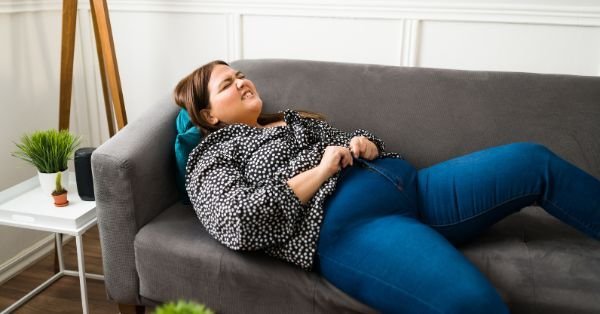
Check the fit standing and sitting. The zipper should lie smoothly, the waistband should stay in place, and the back should not gape. If a waistband rolls or leaves deep marks, try another cut or size. There is no one rise that is best for every body.
3. Look for Tops That Skim
A top that fits at the shoulders and has a little room through the middle can skim without clinging. Try a curved hem, a softly shaped knit, a wrap style, or a button-down in a fabric that drapes. These cuts give you options without needing a very loose tunic or a tight layer underneath.
Test the hem by sitting and raising your arms. If it pulls across the buttons or catches at the waistband, try a different size or length. For a tucked look, a small front tuck can show the waistband while leaving the rest of the top relaxed. Wear it untucked if that feels better.
4. Check the Rise and Cut of Pants
When you try jeans or trousers, look at the front rise, waistband, pockets, and side seams together. A flat front, pockets that stay closed, and a waistband that does not dig can make a pair feel smoother under a top. Straight-leg, relaxed, and wide-leg cuts are all worth trying; match the leg shape to the top length you like.
Move around before deciding. Sit, walk, and bend to see whether the fabric shifts or pulls. If the waist fits but the hips or thighs do not, tailoring may help. For more denim ideas, see our guide to outfit proportions and jeans when you want a smooth look.
5. Try Dress Shapes You Enjoy
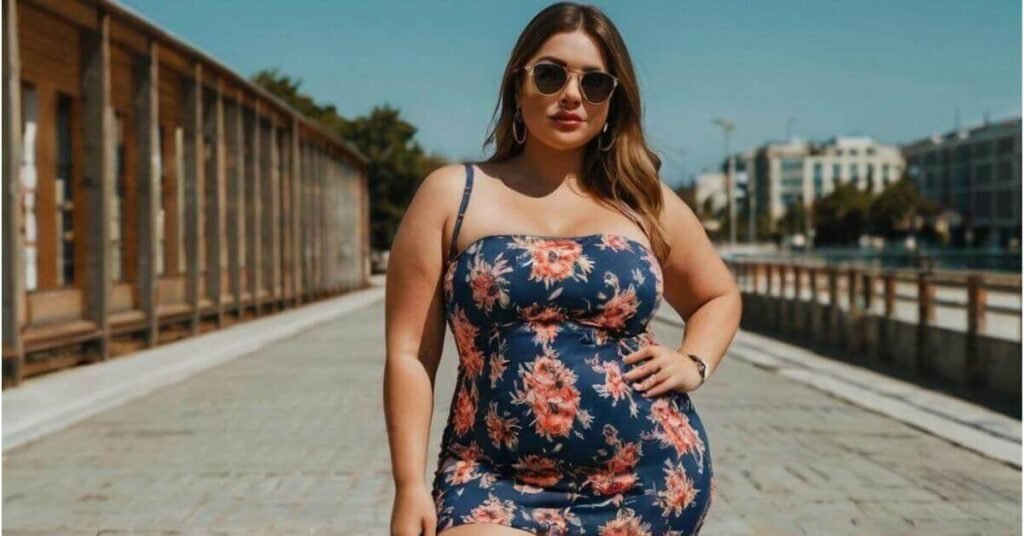
Wrap dresses, fit-and-flare styles, A-line shapes, and softly draped midi dresses can give you room through the middle with a defined shape elsewhere. Ruching or a lining may change how a close-fitting dress sits. A bodycon dress is also an option if you like it; check that the fabric feels comfortable when you sit and walk.
Try the dress with the shoes and jacket you plan to wear. Notice whether the waist seam or hem stays where you want it to. For fitted silhouettes, our tight-dress styling guide has more outfit ideas.
6. Add a Layer for Structure
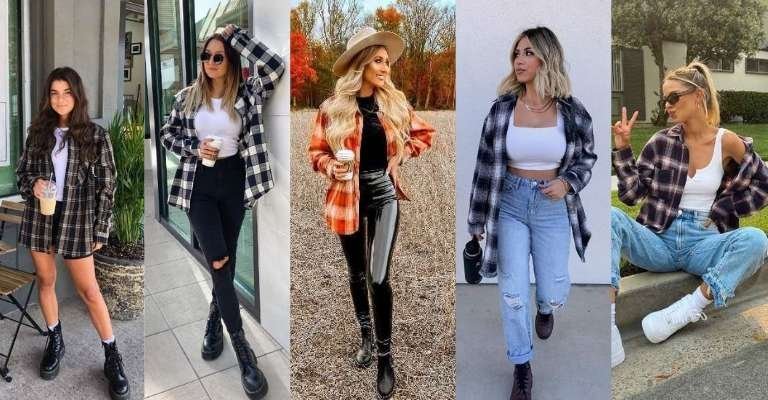
An open cardigan, overshirt, denim jacket, or softly tailored blazer can frame an outfit and create a long line down the front. Experiment with waist, hip, and mid-thigh lengths over the same top and pants. Pick a shoulder fit that lets you move freely; a layer should not pull across your back or arms.
Light layers work well when you want coverage without extra warmth. If the outfit already feels balanced, skip the extra layer. The goal is an option that suits your day, not a rule that every outfit needs a jacket.
7. Use Color and Print Your Way
Dark colors are not required. A monochrome outfit can create one continuous line, while a print, contrast collar, or bright shoe can bring attention to a detail you enjoy. Try vertical seams or an open layer if you like a longer line, but choose prints and colors for your own taste.
Clothing design uses color, line, shape, and texture together. Utah State University Extension’s design overview offers a simple introduction. Look at the full outfit in a mirror and keep the combinations that feel like you.
8. Pay Attention to Fabric and Base Layers
Medium-weight knits, soft denim, and woven fabrics with some drape can feel different from very thin jersey or rigid cloth. Consider the garment’s lining and seams as well as its fabric name. A slip, smooth brief, or seamless underwear can be enough under some outfits.
You do not need shapewear. If you choose to wear it, select a size that allows normal breathing and movement; remove it if it pinches, rolls, or feels uncomfortable. Check that the entire outfit works in the lighting where you will wear it.
9. Try Easy Outfit Formulas
- Casual: Straight-leg jeans, a softly draped top, and sneakers.
- Work: Tailored trousers, a relaxed blouse, and an open blazer.
- Weekend: Mid- or high-rise jeans, a half-tucked knit, and an overshirt.
- Dinner: A wrap or A-line dress with shoes you can walk in.
- Warm weather: A breathable top with relaxed pants and flat sandals.
Use these as starting points. Adjust the hem, layer, rise, or shoes until the outfit feels comfortable for the occasion.
FAQs
Can I hide FUPA without shapewear?
Yes. Choose comfortable fits, tops that skim, bottoms that do not dig in, and layers or dress shapes you enjoy. Shapewear is a personal choice.
What jeans work well with a lower belly?
Try different rises and leg cuts, then check the waistband while sitting and standing. The best pair is the one that stays comfortable and fits your proportions.
Do I have to wear dark colors?
No. Dark colors, monochrome outfits, bright colors, and prints can all work. Choose colors you like and consider how the complete outfit feels.
Are oversized clothes the best option?
Not necessarily. A top that skims and fits at the shoulders can feel more balanced than sizing up substantially. Try several lengths and shapes.
Final Thoughts
To hide FUPA without shapewear, start with fit and comfort, then experiment with waistbands, top lengths, pants, dresses, layers, and fabric. You do not have to follow every tip or change your body. Keep the clothes that let you move and express your style.