
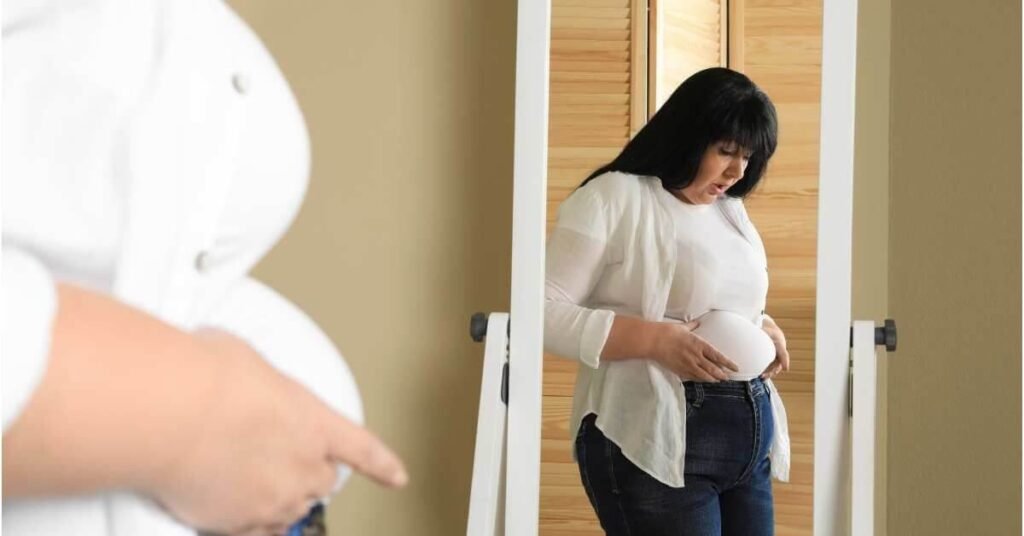
Want to know how to make your stomach look flat in clothes? Start with pieces that fit comfortably and create the outline you prefer. A smoother look often comes from the right rise, fabric, and outfit proportions—not from sizing down or hiding under oversized layers.
These are styling options, not rules about your body. You can use one idea or combine a few, and you never need shapewear to wear an outfit with confidence.
Table of Contents
1. Begin With a Comfortable Fit
Start with your usual size, then compare nearby sizes if you can. Look for a smooth fit through the shoulders, bust, waist, and hips. The buttons, zipper, or side seams should not pull, and you should be able to sit, reach, and breathe without adjusting the outfit.
Fit is personal, and sizes vary between brands. Cornell’s clothing glossary describes wearing ease as the room a garment needs for movement. New Mexico State University Extension’s fitting guide also recommends checking for pulling, binding, and strain. Let comfort and movement guide the decision instead of the number on the label.
2. Balance Your Outfit Proportions
Proportion is the relationship between the lengths and shapes in an outfit. If you wear a longer top, try a straighter or narrower pant leg; with wide-leg pants, a top that ends near the waistband can keep the outfit from feeling heavy. These are starting points, not fixed rules.
Try two or three top lengths with the same pants and notice which one makes you feel most at ease. A hem that ends at the hip, a front tuck, or a cropped jacket can each create a different visual line. Your favorite balance may change with the shoes, jacket, or occasion.
3. Choose Tops That Skim
When looking for tops that hide belly fat, focus on shape and fit rather than a label such as “slimming.” A top that fits at the shoulders and has a little room through the middle can skim without clinging or looking oversized. Soft gathers, a gentle A-line shape, or a curved hem may move comfortably when you walk or sit.
Try a blouse, knit top, or button-down in a fabric that does not feel too thin or too stiff. Check the side view and raise your arms. If the hem rides up or the buttons pull, try another cut or size. A top that stays in place is often easier to wear all day.
4. Try an Easy Shirt Tuck
If you like a tucked-in look, start with a small front tuck: tuck only the center front of a lightweight shirt, then let the sides fall naturally. This can show the waistband and add shape without pulling the whole shirt tight. A half tuck or a loose full tuck can also work, depending on the fabric and rise of your pants.
For a shirt that feels bulky, try a thinner fabric, a shorter hem, or a soft knot at the side if it stays comfortable. Avoid forcing a tuck that bunches or makes you keep checking your outfit. The goal is a finish you can move in, not a specific styling rule.
5. Find a Waistband That Feels Right
High-rise, mid-rise, and lower-rise pants sit at different points, so test where the waistband feels secure without digging in. High-rise jeans can create a continuous line under a tucked top, while a mid-rise pair may feel better if a higher band presses on your stomach. Neither rise is automatically best for everyone.
Check the waistband while sitting and standing. The zipper should lie flat, the back should not gap, and the fabric should not pinch when you bend. For more ideas on wearing a close-fitting dress comfortably, see our tight-dress styling guide.
6. Pay Attention to Fabric
Fabric changes how an outfit drapes. A medium-weight knit, soft denim, or crepe may hold its shape while still allowing movement. Very thin fabric can cling or show seams, while a rigid fabric may feel bulky if it does not follow your movement. Look at how the garment hangs when you move, not just how it looks on the hanger.
For shirts, notice whether the fabric falls straight or catches at the waistband. For pants, check whether the front lies smoothly and whether the pockets flare open. Small construction details can matter as much as the fabric name.
7. Use Layers to Add Structure
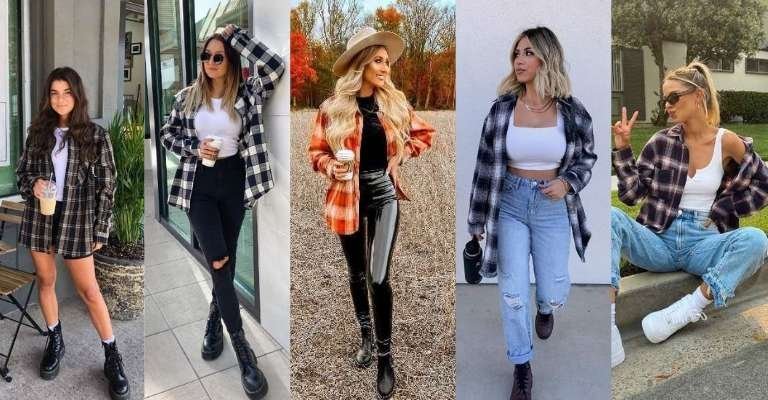
An open blazer, cardigan, denim jacket, or overshirt can add structure and create long lines down the front. Try different lengths over the same outfit: a waist-length layer gives a different effect from one that reaches the hip. Make sure the shoulders sit comfortably and that the back does not bunch when you move.
Layers work best when they suit the weather and the occasion. A lightweight open shirt can feel easy for a casual day; a softly tailored blazer can make a simple top and trousers look ready for work. If a layer feels too warm or restricts your arms, skip it.
8. Pick a Dress Shape You Enjoy
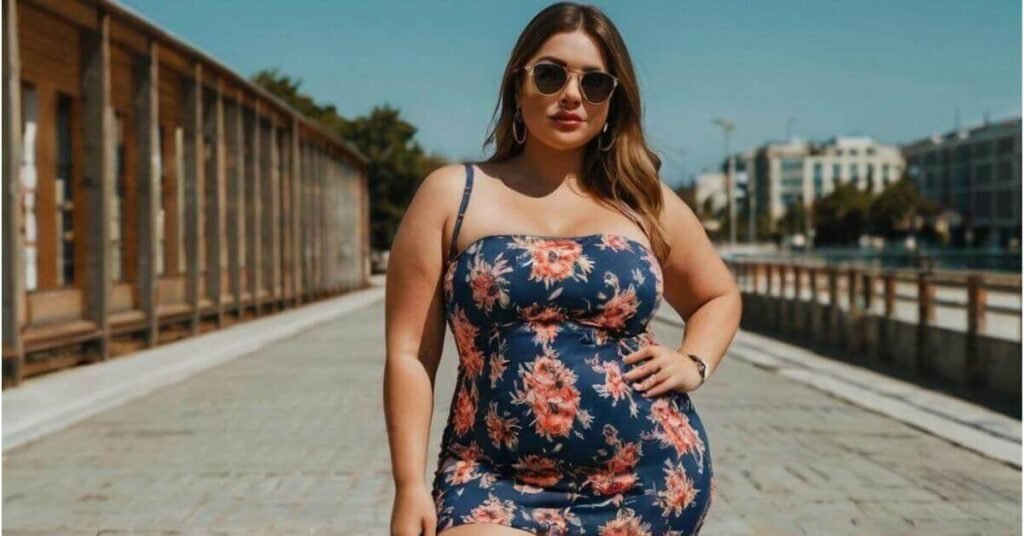
Wrap dresses, fit-and-flare shapes, and softly draped styles are options if you want definition with room to move. A bodycon dress can also work if you like the fit; consider a lining, ruching, or a stable stretch fabric. Try the dress while seated as well as standing so you know how it feels throughout the day.
There is no single dress cut that makes every body look the same. If you want more detailed ideas for fitted silhouettes, see how to style a tight dress comfortably. For a wider range of everyday looks, our guide to comfortable outfits for dressing if you have a belly has additional outfit ideas.
9. Use Color, Prints, and Lines
Dark colors are one option, but you do not have to wear black. A monochrome outfit can create a continuous line; a print or color-blocked top can bring attention to a detail you like. Choose colors and patterns that suit your taste and the event.
Seams, stripes, and panels can guide the eye in different directions. Utah State University Extension’s design overview explains how line, shape, texture, and color work together in clothing. Use those ideas as inspiration, then decide by looking at the complete outfit in a mirror.
10. Choose a Base Layer if You Want One
Shapewear is optional. A smooth brief, slip, or seamless underwear may be all you want under an outfit. If you choose shapewear, pick a size that lets you breathe, sit, and move. It should not roll, pinch, or leave you uncomfortable; take it off if it does.
Check the full outfit in the light where you will wear it. This can show whether a lining, underwear color, or seam is visible through the fabric. Comfort is a better test than trying to make your body match a particular silhouette.
11. Try These Outfit Formulas
Use these combinations as a starting point and adjust them to your own closet and weather:
- Casual day: Straight-leg jeans, a soft V-neck top, a front tuck, and sneakers.
- Work: Tailored trousers, a fluid blouse, a lightweight open blazer, and loafers.
- Weekend: A knit top, comfortable high- or mid-rise jeans, an open overshirt, and ankle boots.
- Dinner: A wrap dress or draped midi dress, simple earrings, and shoes you can walk in.
- Warm weather: A breathable top with a curved hem, relaxed pants, and flat sandals.
Try one formula at a time, then adjust the hem, layer, or shoes. A small change can make an outfit feel more like you.
12. Avoid Common Styling Mistakes
- Sizing down for compression: Tight fabric can pull and feel uncomfortable.
- Choosing only oversized pieces: A loose top and loose pants may add bulk if that is not the look you want.
- Following a color rule: Black is not required for a polished outfit.
- Ignoring movement: Sit, walk, and reach before choosing an outfit for a long day.
- Keeping a piece that needs constant adjusting: Try a different rise, hem, or cut instead.
FAQs
What tops are comfortable if I want a smoother look?
Try a top that fits at the shoulders and skims through the middle, such as a soft blouse, curved-hem shirt, or gently shaped knit. Check it while sitting and moving.
Do high-waisted pants make your stomach look flat?
They can create a smooth line for some outfits, but they do not change your body. Choose the rise that feels secure without digging in.
How can I tuck in a shirt with a belly?
Try a loose front tuck or half tuck with a lightweight shirt. If the fabric bunches, choose a shorter hem or wear the shirt untucked.
Do I need shapewear?
No. Shapewear is a personal choice. Comfortable underwear, a slip, or no extra layer can all work under clothing.
Final Thoughts
If you want to make your stomach look flat in clothes, start with a fit that lets you move, then experiment with top lengths, tucks, waistbands, fabric, and layers. Small adjustments can change the outline of an outfit, but your comfort and personal style matter most. Wear the combination that feels like you.
Pingback: How to Hide FUPA Without Shapewear: 9 Styling Tips
Pingback: How to Hide FUPA in Jeans: 9 Fit & Styling Tips
Pingback: How to Wear High-Waisted Jeans with a Tummy: 9 Outfit Tips